
What takes clipping, how close to plant, and what not to plant on a boundary.
A hedge is not one decision but three: how high it has to screen, how many times a year you want to cut it, and how much light the spot has. Below are the species the Verdlo catalogue marks as hedging, with mature height and the spacing that closes into a line.
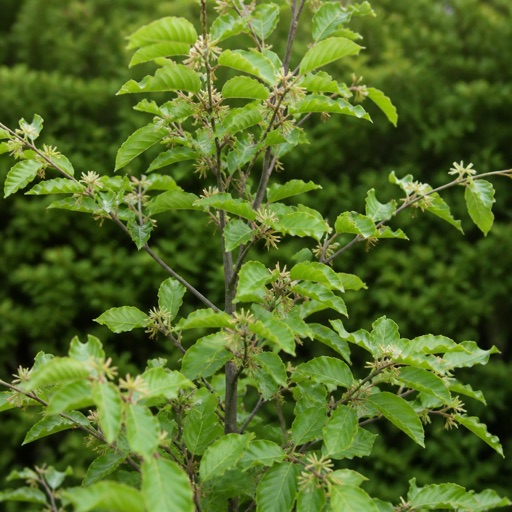 European beechFagus sylvatica
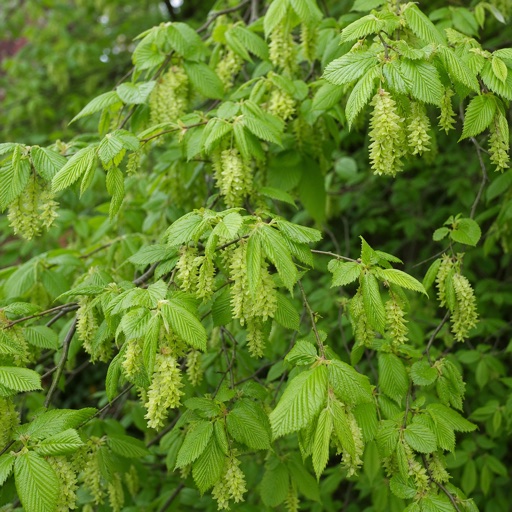 European hornbeamCarpinus betulus
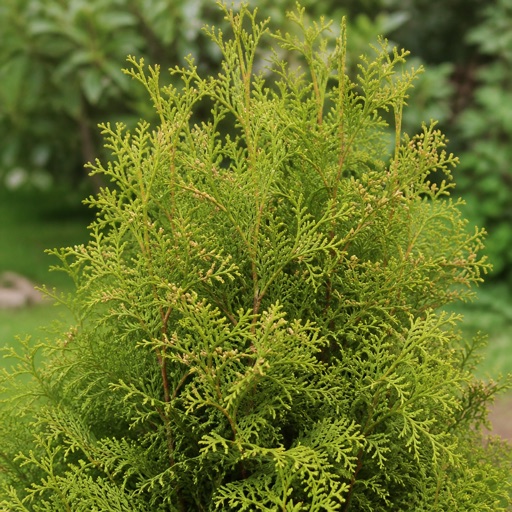 White cedar 'Brabant'Thuja occidentalis 'Brabant'
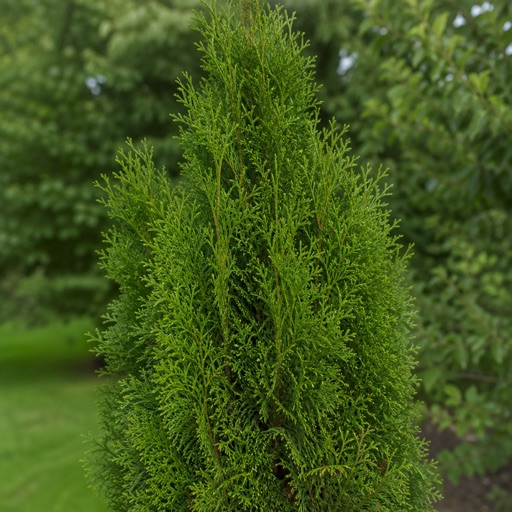 Emerald arborvitaeThuja occidentalis 'Smaragd'
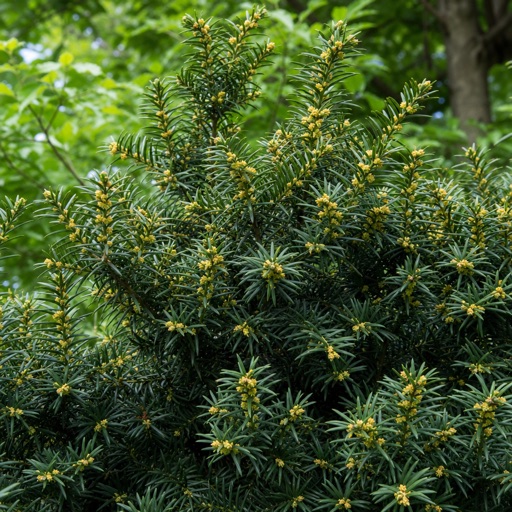 English yewTaxus baccata
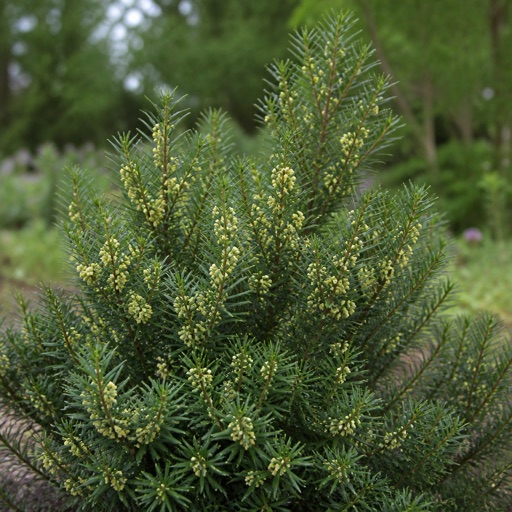 Hicks yewTaxus × media 'Hicksii'
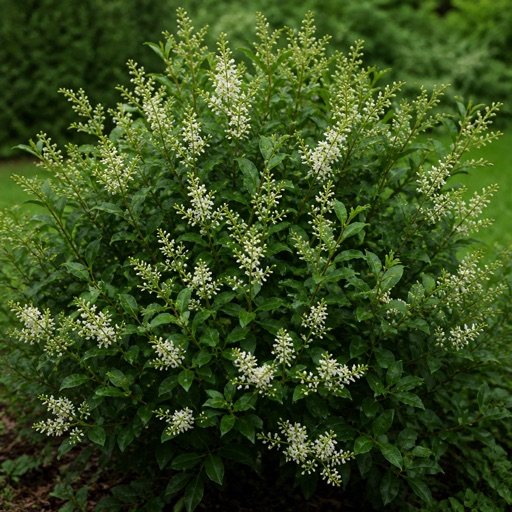 Wild privetLigustrum vulgare 'Atrovirens'
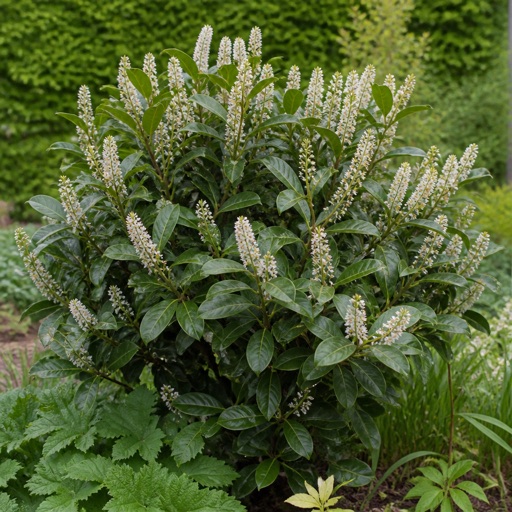 Cherry laurelPrunus laurocerasus 'Rotundifolia'
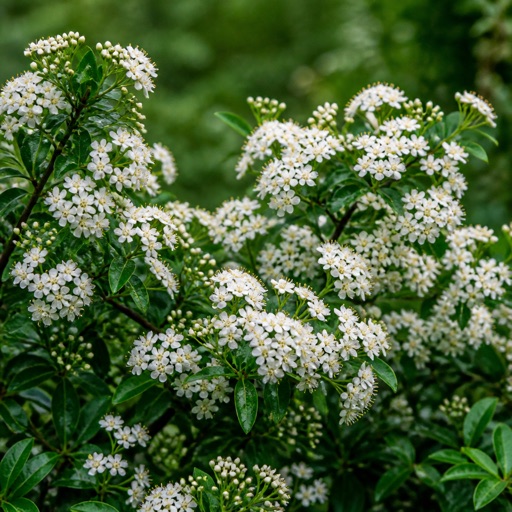 FirethornPyracantha coccinea 'Red Column'
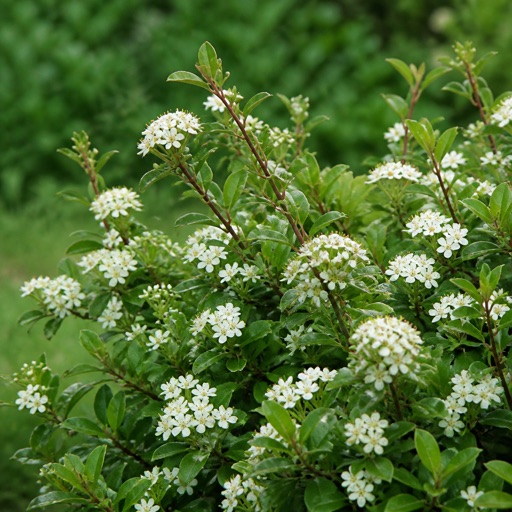 Hedge cotoneasterCotoneaster lucidus
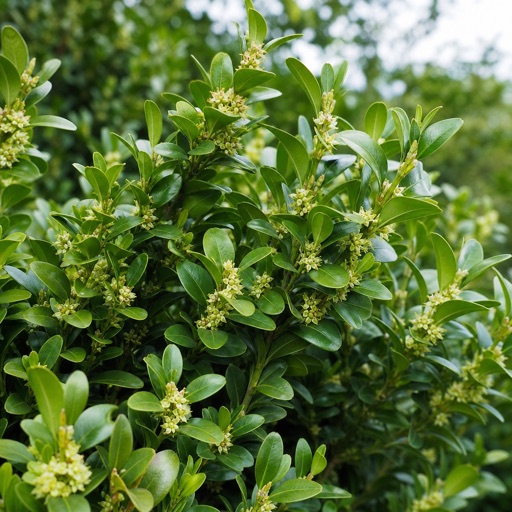 Common boxBuxus sempervirens
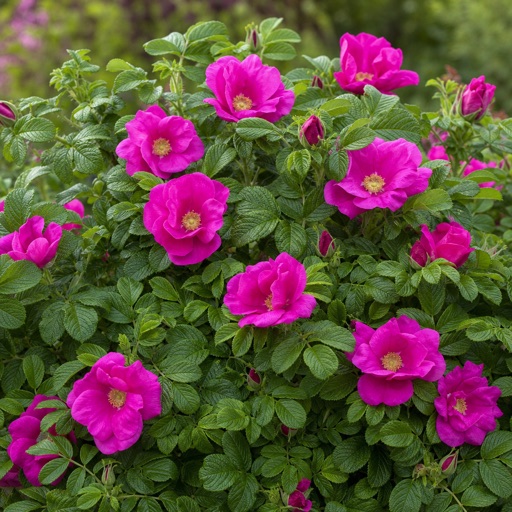 Rugosa roseRosa rugosa
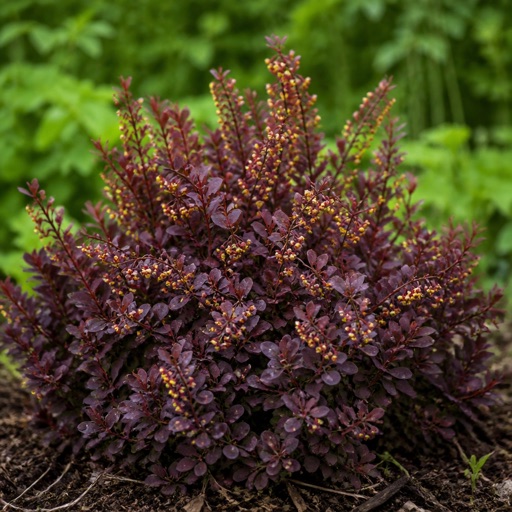 Dwarf purple barberryBerberis thunbergii 'Atropurpurea Nana'
The spacing below is for a clipped hedge: what counts is the width after cutting, not the spread of a plant left alone. A free beech is ten metres across; a beech in a hedge is sixty centimetres. Larger nursery stock goes wider apart, and one-year whips go closer, up to three to the metre.
| Plant | Mature height | Spacing in the row | Takes shade |
|---|---|---|---|
| European beech (Fagus sylvatica) | 15 m | 0.6 m, 2 per metre | yes |
| European hornbeam (Carpinus betulus) | 10 m | 0.6 m, 2 per metre | yes |
| White cedar 'Brabant' (Thuja occidentalis 'Brabant') | 5 m | 0.6 m, 2 per metre | no |
| Emerald arborvitae (Thuja occidentalis 'Smaragd') | 4.5 m | 0.6 m, 2 per metre | no |
| English yew (Taxus baccata) | 4 m | 0.6 m, 2 per metre | yes |
| Hicks yew (Taxus × media 'Hicksii') | 3.5 m | 0.6 m, 2 per metre | yes |
| Wild privet (Ligustrum vulgare 'Atrovirens') | 3 m | 0.6 m, 2 per metre | yes |
| Cherry laurel (Prunus laurocerasus 'Rotundifolia') | 3 m | 0.6 m, 2 per metre | yes |
In Poland a neighbour may cut branches and roots that cross onto their plot. That is not a reason to plant against the boundary; it is a reason to count the mature width before buying.
The studio draws a plan for your own plot and picks plants that suit its light and soil. It needs no account.
Try the studioThe material ranges Verdlo computes every plan from, and what they leave out.
Litres a week, where they come from, and why most weeks need no watering at all.
Which plants drop out of a plan when a child or a dog uses the garden, and why.